

Failure is the pillar of success completing story is a powerful idea that teaches us how mistakes help us grow. Every successful person has faced failure before reaching success. It reminds us that failure is not the end.
This concept shows that failure gives us lessons and experience. It helps us understand what went wrong and how to improve next time. Without failure, success has no real value.
In simple words, Failure is the pillar of success. A completed story means every failure builds the path to success. It also teaches us patience, effort, and determination in life.
Robert Bruce and the Spider: The Original Completing Story

Robert Bruce, the King of Scotland, is the classic figure behind this well-known completing story, and understanding his story is essential since it is the exact version most schools use for this exam question. Bruce fought bravely to free his kingdom but was defeated again and again by his enemies. Feeling hopeless, he fled to a remote cave to hide and rest, his mind heavy with despair.
While lying there, he noticed a small spider trying to climb up to the ceiling on a single thread. The spider fell down again and again, failing six times in a row, yet it did not stop trying. On its seventh attempt, the spider finally reached the top and completed its web. Watching this simple act of perseverance and tenacity changed something in Bruce. He realized that giving up after a few failures was never the answer — resilience and repeated effort were the real path forward.
Inspired by the spider’s determination, Bruce gathered his soldiers once more and returned to the battlefield with renewed courage. This time, he defeated his enemies and won back his kingdom. His story remains one of history’s most cited examples of turning failure into eventual success through sheer persistence.
(For more historical background on Robert Bruce as King of Scotland, you can reference the Encyclopaedia Britannica entry on Robert the Bruce as an authoritative external source.)
Robert Bruce Bangla Meaning (সংক্ষেপে):
রবার্ট ব্রুস স্কটল্যান্ডের রাজা ছিলেন। তিনি বারবার যুদ্ধে হেরে একটি গুহায় আশ্রয় নেন। সেখানে তিনি একটি মাকড়সাকে বারবার চেষ্টা করে জাল বুনতে দেখেন। মাকড়সার অধ্যবসায় দেখে তিনি অনুপ্রাণিত হন এবং আবার সৈন্য জোগাড় করে যুদ্ধে জয়ী হন। নীতিবাক্য: ব্যর্থতাই সাফল্যের স্তম্ভ।
Which Version Should You Write in Your Exam?
Students often get confused between the traditional Robert Bruce version and modern moral-story versions. If your exam paper gives you the opening lines about a king, enemies, and a cave, you must complete it using the Robert Bruce and spider structure above — this is the standard answer examiners expect. However, if the given beginning describes a student or a businessman facing failure, the modern version below (about a young man rebuilding his business) fits better. Practicing similar completing-story formats — such as An Honest Woodcutter Story or Who Will Bell the Cat — also helps build the same story-completion skills tested in SSC and HSC exams.
Failure is the Pillar of Success Completing the Story
Once there was a young man named Rahim. He wanted to become a successful businessman. He started his first shop, but it failed within a year. He lost all his money and felt broken.
Rahim did not give up. He studied his mistakes carefully. He noticed where he went wrong and started planning again with a fresh mind.
He opened a second shop. This time, he managed his budget well and served his customers with care. Slowly, people started coming to his shop every day.
Within two years, his business grew big. He opened three more shops in different areas. Everyone in his town called him a self-made success story.
Rahim always said, “I did not become successful despite my failures. I became successful because of them.” His story is a true example that failure is the pillar of success.
Failure is the Pillar of Success Completing of Story in Bangla

একসময় রহিম নামে এক তরুণ ছিল। সে একজন সফল ব্যবসায়ী হতে চেয়েছিল। সে তার প্রথম দোকান শুরু করেছিল, কিন্তু এক বছরের মধ্যে সেটি ব্যর্থ হয়ে গেল।
রহিম হাল ছেড়ে দেননি। সে তার ভুলগুলো মনোযোগ দিয়ে পর্যালোচনা করল। নতুন পরিকল্পনা নিয়ে সে আবার শুরু করল।
সে দ্বিতীয় একটি দোকান খুলল। এবার সে বাজেট ঠিকমতো সামলাল এবং গ্রাহকদের ভালো সেবা দিল। ধীরে ধীরে তার দোকানে মানুষ আসতে লাগল।
দুই বছরের মধ্যে তার ব্যবসা বড় হয়ে গেল। সে আরও তিনটি দোকান খুলল। তার শহরের সবাই তাকে সফল মানুষ হিসেবে চিনতে লাগল।
রহিম সবসময় বলত, “ব্যর্থতার কারণেই আমি সফল হয়েছি।” তার গল্পটি প্রমাণ করে যে ব্যর্থতাই সাফল্যের স্তম্ভ।
Failure is the Pillar of Success Story
This is one of the most popular moral stories taught in schools across Bangladesh. It follows a simple character who faces failure but never quits.
The story teaches students that failure is not the opposite of success. It is actually a stepping stone that brings us closer to our goal every time we try again.
The character in the story uses every failure as a lesson. He changes his approach, improves his skills, and keeps moving forward with confidence.
In the end, he reaches his goal after many tries. His journey proves that only those who keep going after failure truly deserve to succeed.
This story is meaningful for students, workers, and anyone going through a tough time in life. It gives hope and a clear message — never stop trying.
Failure is the Pillar of the Success Story for HSC

HSC students in Bangladesh are often asked to complete this story in their English exams. It is a very common question in the writing section.
The story tests your ability to continue a given beginning with proper grammar and a meaningful ending. You must write in simple, clear English and follow the moral of the story.
Here is a sample completing story format for HSC:
| Part | What to Write |
| Beginning | Use the given lines exactly as provided |
| Middle Part | Add 3–4 paragraphs showing struggle and effort |
| Climax | Show the moment of success after failure |
| Ending | End with the moral — failure leads to success |
Always end your story with a moral sentence. This is important for full marks in HSC. Keep your language simple and your paragraphs short and clear.
Examiners look for a proper story structure, correct tense usage, and a clear message. Practice writing this story at least three times before your exam.
The Moral of Failure is the Pillar of the Success Story

The moral of this story is clear and powerful. Every failure brings you one step closer to success if you learn from it and keep trying.
The story tells us that giving up is the only real failure. As long as you try again, there is always a chance to succeed in life.
Here are the key moral points of the story:
- Failure is not permanent — it is just a lesson in disguise
- Every mistake teaches you something new and valuable
- Hard work and patience always pay off in the end
- A strong mindset helps you rise after every fall
- Success tastes sweeter when it comes after many struggles
The moral also reminds us that successful people are not special. They are just ordinary people who refused to quit when things got hard.
Main Lessons We Learn from Failure is the Pillar of Success
This story is full of life lessons that go beyond the classroom. Here are the most important things students and readers learn from it:
- Never judge your future by your present failure
- Use every setback as a setup for a comeback
- Hard work is more powerful than talent alone
- Self-belief is the first step toward any achievement
- Patience and persistence are the keys to lasting success
- Learning from mistakes is better than avoiding them
- Success is a journey, not a single moment in time
These lessons apply to real life, not just exams. Whether you fail in school, work, or personal goals, this story reminds you to keep going.
The biggest lesson is this: the number of times you try matters more than the number of times you fail. Keep pushing, and results will follow.
More Completing Stories with Similar Morals to Practice
If you found this story useful for exam preparation, practicing a few more completing stories with similar themes of perseverance and resilience will strengthen your writing skills further. A Friend in Need is a Friend Indeed teaches loyalty through struggle, while stories built around determination and persistence — like the tenacity shown by Robert Bruce — appear repeatedly across SSC and HSC syllabi. Reading multiple versions helps you recognize common story-completion patterns, which is exactly what examiners are testing when they give you an unfinished story to complete with proper grammar and a meaningful moral ending.
Importance of Failure in Achieving Success
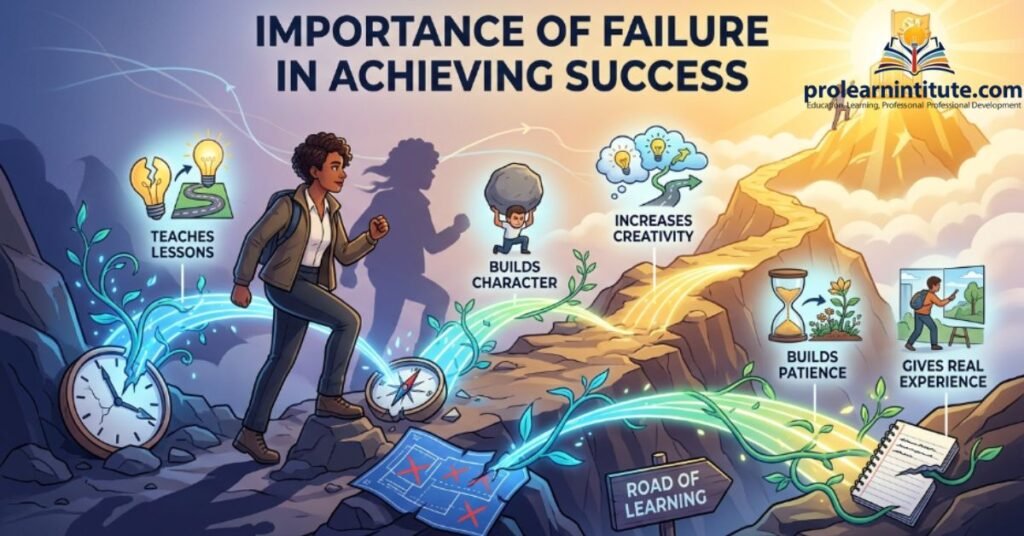
Failure plays a very important role in the journey to success. Without failure, we cannot truly understand what success means or how much it is worth.
When we fail, we are forced to think differently. We find new solutions, build stronger habits, and become more creative in our approach to problems.
Here is how failure helps us grow:
| Role of Failure | How It Helps |
| Teaches lessons | Shows us what went wrong so we can fix it |
| Builds character | Makes us stronger, tougher, and more focused |
| Increases creativity | Forces us to think of new and better ways |
| Builds patience | Trains us to wait and work without giving up |
| Gives real experience | Classroom lessons cannot replace learning from real mistakes |
Every great inventor, leader, and businessman failed many times before succeeding. Their failures were not signs of weakness — they were signs of effort and courage.
Failure also removes fear over time. The more you fail and recover, the less afraid you become of trying new things. That fearlessness is what separates winners from quitters.
Why Students Should Read Failure is the Pillar of Success Story

This story is very important for students at every level. It gives them the right mindset to handle pressure, exams, and failures in school and life.
Students often feel hopeless when they get bad grades or fail a test. This story reminds them that one failure does not define their future. It is just one small part of a bigger journey.
- It teaches students how to handle disappointment in a healthy way
- It builds confidence to try again after a setback
- It shows that effort matters more than natural talent
- It helps students understand the value of hard work and consistency
- It prepares them mentally for challenges in higher education and career life
Teachers recommend this story because it connects real life with academic learning. A student who understands this message is better prepared for the challenges ahead.
Reading this story also improves English writing skills. It is a great exercise for HSC students who need to practice completing stories with proper structure and moral endings.
Failure is the Pillar of Success Story with বাংলা অর্থ
This section gives the full story in English with its Bengali meaning side by side. This helps Bengali-medium students understand the story better and prepare for exams.
English: Once a young man failed in his business and lost all his savings. বাংলা অর্থ: একবার এক যুবক তার ব্যবসায় ব্যর্থ হয় এবং সব সঞ্চয় হারায়।
English: He felt sad but did not give up. He studied his mistakes and tried again. বাংলা অর্থ: সে দুঃখিত হলো কিন্তু হাল ছাড়েনি। সে তার ভুল পর্যালোচনা করে আবার চেষ্টা করল।
English: With patience and hard work, he finally became successful. বাংলা অর্থ: ধৈর্য ও পরিশ্রমের মাধ্যমে সে শেষ পর্যন্ত সফল হলো।
English: He then said, “Failure taught me more than success ever could.” বাংলা অর্থ: সে তখন বলল, “ব্যর্থতা আমাকে সাফল্যের চেয়ে বেশি শিখিয়েছে।”
English (Moral): Failure is the pillar of success. Never give up. বাংলা অর্থ (নৈতিকতা): ব্যর্থতাই সাফল্যের স্তম্ভ। কখনো হাল ছেড়ো না।
Simple Explanation of Failure is the Pillar of Success Completing the Story
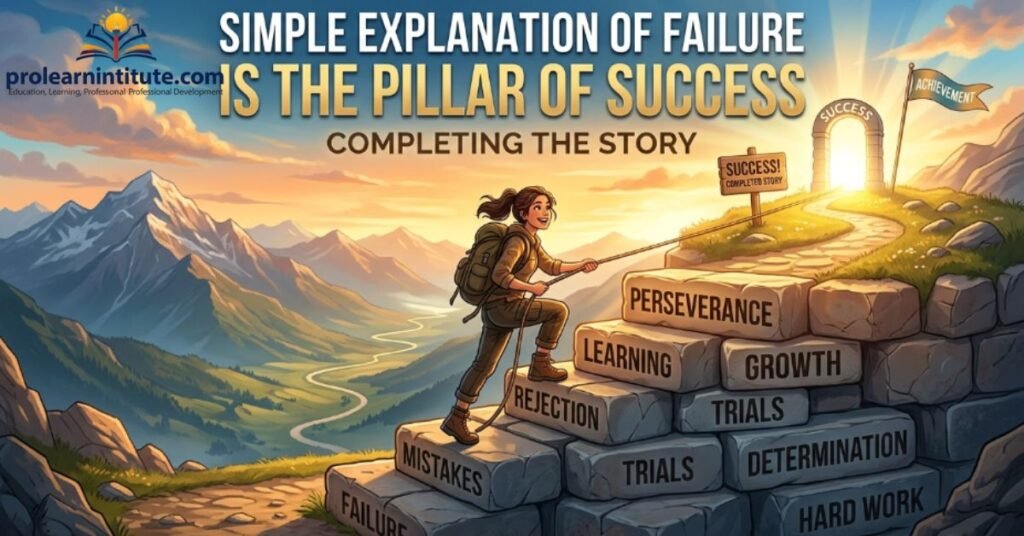
This story is very easy to understand once you break it down into simple parts. Let us explain it step by step so every student can follow it clearly.
Step 1 — The Beginning: A person starts with a big dream but faces failure in the beginning. This is where the story hooks the reader.
Step 2 — The Struggle: Instead of quitting, the person studies the failure. They try to understand what went wrong and make a new plan.
Step 3 — The Effort: The person tries again with more knowledge and stronger determination. The second or third attempt is always more informed than the first.
Step 4 — The Success: After continued effort and patience, the person finally succeeds. The success is meaningful because it came after a real struggle.
Step 5 — The Moral: The story ends with a powerful lesson — failure is not the end, it is the beginning of the path to success.
Here is a simple table to remember the story structure:
| Step | Action | Lesson |
| 1 | Dream + Failure | Failure is normal |
| 2 | Analysis | Learn from mistakes |
| 3 | Retry | Try smarter, not harder |
| 4 | Success | Effort always pays off |
| 5 | Moral | Failure builds success |
This structure is perfect for HSC exam writing. Use it as a template and fill in your own story details around it.
Conclusion
At its core, the story “Failure is the Pillar of Success Completing Story | বাংলা অর্থসহ” teaches us that failure is not the end but a part of the journey toward success. In simple terms, every mistake gives us a lesson that helps us grow stronger and improve in life.
Now you have a clear understanding that failure should never stop you from trying again. The next step is yours—keep learning from your mistakes and move forward with confidence until you reach success.
FAQs
What is the full completing story of Failure is the Pillar of Success with বাংলা অর্থ?
The full story follows a young man who fails in business but tries again with better planning and finally succeeds. The Bengali meaning is given line by line to help students understand and prepare for exams easily.
How do I write a Failure is the Pillar of Success completing story for the HSC exam?
Start with the given lines, add a middle showing struggle and effort, then end with a success moment and a moral sentence. Keep your paragraphs short and your English simple and clear.
What is the moral of the Failure is the Pillar of Success story?
The moral is that failure is not the end but a stepping stone to success. Everyone who keeps trying and learning from their mistakes will eventually achieve their goal.
Why is the Failure is the Pillar of Success story important for Bengali students?
It is a common HSC exam topic and teaches students how to handle failure in real life. It also builds confidence and gives a strong message to never give up on your dreams.
What are the main lessons learned from the Failure is the Pillar of Success completing story?
The main lessons are to never give up after failure, learn from every mistake, stay patient, work hard, and believe in yourself even when things go wrong.
How does failure help a person become successful in life?
Failure teaches what success never can. It shows us our weaknesses, forces us to improve, builds patience and character, and gives us real experience that makes future success possible.
What is the Bengali meaning of the phrase Failure is the Pillar of Success?
In Bengali, the phrase means ব্যর্থতাই সাফল্যের স্তম্ভ. It means that failure is the foundation on which real and lasting success is built.
Can I use this completed story format for any HSC English exam in Bangladesh?
Yes, this story format works for all HSC English first paper exams in Bangladesh. Use the five-step structure — beginning, struggle, effort, success, and moral — to write a complete and high-scoring answer.
What are the key differences between the English and Bangla versions of this story?
The English version is written for exam use with proper grammar and structure. The Bangla version gives word-for-word meaning to help Bengali-medium students understand, translate, and memorize the story easily.
How long should the Failure is the Pillar of Success story be for HSC?
For HSC exams, the completed story should be around 200 to 250 words. Keep paragraphs short, use the simple past tense, and always end with a clear moral sentence to get full marks.

I’m Jordan Smith, a content writer with 4 years of experience and AI content expertise, creating clear, engaging, and easy-to-understand educational content.