
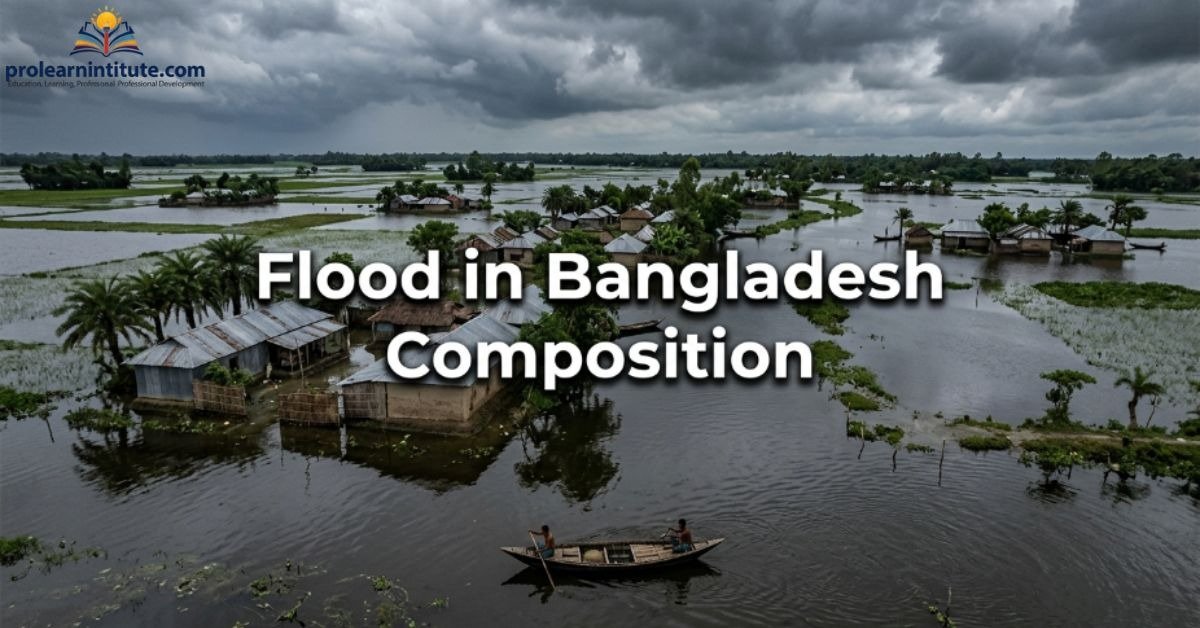
Flood in Bangladesh Composition is an important topic because floods affect the lives of millions of people across the country every year. Heavy rainfall and overflowing rivers often cause widespread damage to homes, crops, and roads.
Bangladesh is a low-lying country with many rivers, making it highly vulnerable to flooding. Although floods can bring fertile soil for farming, they also create serious challenges for people and the economy.
In this Flood in Bangladesh Composition, we will discuss the causes, effects, and possible solutions to flooding. Understanding this natural disaster helps us learn how communities can better prepare for and recover from its impact.
see also: Application for Setting up a Canteen for Classes 6, 7, 8, SSC, & HSC
Flood in Bangladesh Composition-1
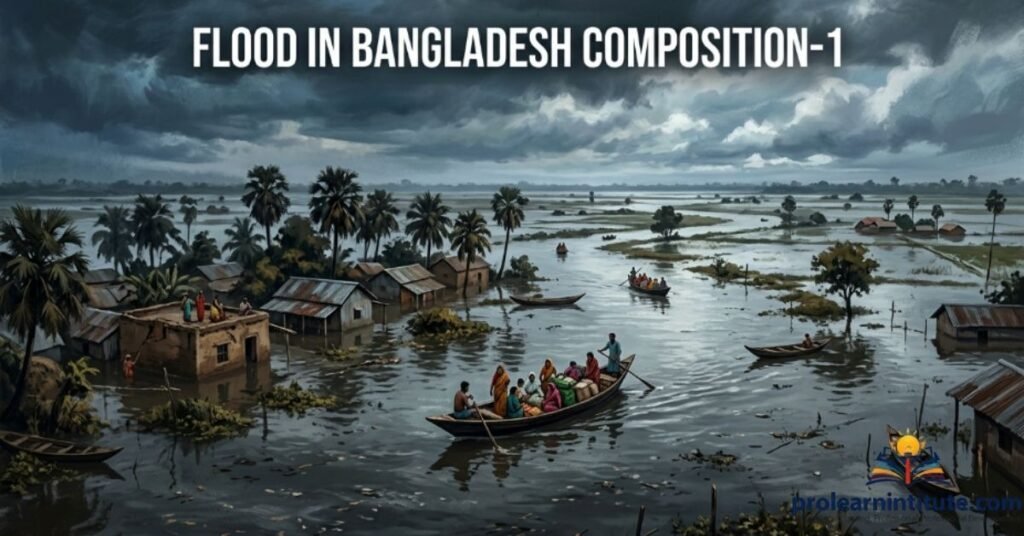
This short composition gives a quick overview of floods in Bangladesh, suitable for junior classes who need a simple and easy-to-write answer.
Bangladesh is a low-lying country located in South Asia, surrounded by big rivers like the Ganges, Brahmaputra, and Meghna. Every year during the rainy season, these rivers overflow and cause severe flooding across the country.
- Floods mostly happen between June and September
- Heavy rain and river overflow are the main causes
- Homes, schools, and farms get damaged badly
- Many families lose their shelter and belongings
- The government and volunteers help flood victims with food and medical aid
Floods are a regular part of life in Bangladesh, but with proper planning and quick relief work, the damage can be reduced. Awareness and preparation remain the best tools against this yearly disaster.
Flood in Bangladesh Composition-2
This second composition offers a slightly more detailed view of floods in Bangladesh, useful for middle and senior class students who need extra depth in their writing.
Bangladesh’s geography makes it one of the most flood-prone nations on Earth. It lies on a vast river delta where the Ganges, Brahmaputra, and Meghna rivers meet before flowing into the Bay of Bengal, carrying massive amounts of water from India, Nepal, and Tibet.
- Flat, low-lying land makes natural drainage very difficult
- Monsoon rains add to the water already flowing from upstream
- Climate change is increasing the frequency of extreme floods
- Floods damage crops, roads, and the national economy
- Disease outbreaks often follow due to contaminated water
- Government and international agencies work together for relief and rebuilding
Even though Bangladesh cannot stop floods completely, continuous investment in embankments, drainage systems, and early warning technology is helping the country manage this challenge better every year.
see also: Application for Transfer Certificate for Class 6-12, SSC, and HSC
Introduction to Flood in Bangladesh
Bangladesh is one of the most flood-prone countries in the world. Floods occur almost every year during the monsoon season and affect large parts of the nation.
The country sits on a low-lying delta where many big rivers meet. This makes it very easy for water to flood the land during heavy rains.
- Bangladesh receives floods almost every year, mainly between June and September.
- Most of the land is flat and close to sea level
- Three major rivers flow through the country and often overflow
- Floods affect farming, homes, schools, and daily life
- Millions of people are displaced during severe flood seasons
- Many villages remain cut off from cities for days or weeks
Bangladesh is highly flood-prone because of its geography and climate. Heavy rainfall combined with river systems from neighboring countries creates the perfect conditions for floods.
- Located in a river delta formed by three major rivers
- Receives heavy rainfall during monsoon months
- Water from India and Nepal flows down into Bangladesh
- Low elevation makes drainage difficult
- Rising sea levels add extra pressure on coastal areas
- Cyclones from the Bay of Bengal often worsen flood conditions
Major Causes of Floods in Bangladesh
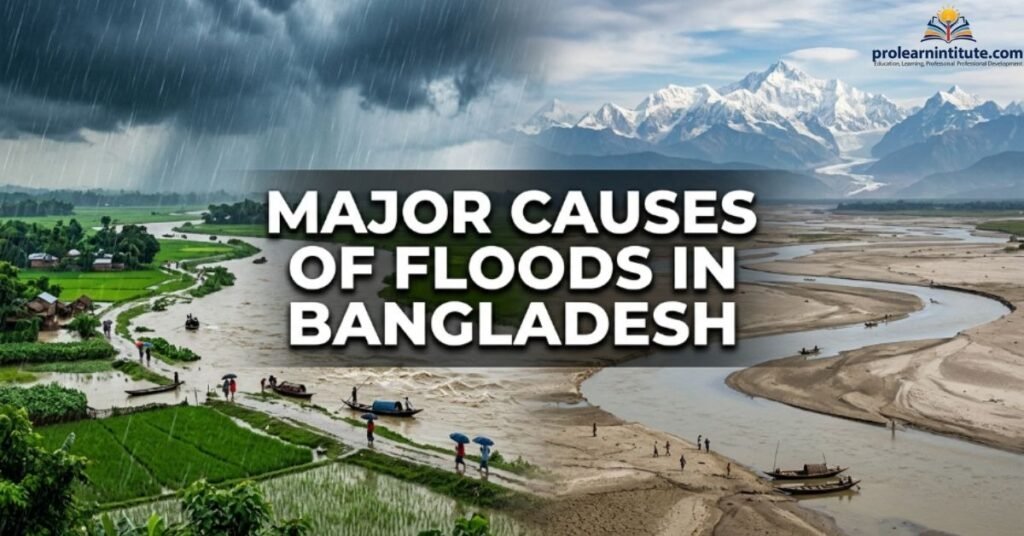
Heavy monsoon rain is the biggest cause of flooding in Bangladesh. The rainy season brings continuous rainfall for weeks, filling rivers beyond their capacity.
- Monsoon season lasts from June to September
- Rainfall often exceeds 2000mm in a single season
- Continuous rain leaves no time for water to drain
- Heavy rain combined with river overflow worsens flooding
- Sudden cloudbursts can flood low areas within hours
| Cause | Description |
| Monsoon Rain | Heavy seasonal rainfall overwhelms rivers and land |
| River Overflow | The Ganges, Brahmaputra, and Meghna rivers exceed capacity |
| Climate Change | Rising sea levels and irregular rainfall patterns |
| Upstream Water | Water flows from India and Nepal, adding to the river’s volume |
| Deforestation | Loss of trees reduces the land’s water absorption |
| Poor Urban Planning | Blocked drains and canals worsen city flooding |
The Ganges, Brahmaputra, and Meghna rivers are the lifelines of Bangladesh, but they also bring serious flood risks. These rivers carry huge amounts of water from neighboring countries.
- The Ganges River brings water from northern India
- The Brahmaputra River flows down from Tibet and India
- Meghna River adds extra water from hilly regions
- All three rivers meet in Bangladesh, increasing the flood risk
- Sediment buildup in riverbeds reduces their water capacity over time
Climate change is making floods more frequent and severe in Bangladesh. Rising sea levels and unpredictable weather patterns are adding new challenges to flood control.
- Sea levels are rising due to global warming
- Coastal areas face more frequent tidal flooding
- Rainfall patterns have become unpredictable
- Extreme weather events are increasing year by year
- Glacial melting in the Himalayas adds more water to rivers
see also: A Journey by Boat Composition for Class 6,7,8, SSC, & HSC
Effects of Floods on People and Economy
Floods cause severe loss of life and destroy thousands of homes every year in Bangladesh. Families often lose everything they own within a few hours.
- Many people lose their lives due to drowning and accidents
- Thousands of homes are damaged or destroyed
- People are forced to live in temporary shelters
- Clean drinking water becomes scarce during floods
- Children’s education is interrupted when schools close or flood
Crops and livestock suffer massive damage during flood season, affecting farmers and food supply across the country. This creates long-term problems for rural communities.
- Rice and other crops are destroyed by standing water
- Farmers lose their entire season’s income
- Livestock often drown or get washed away
- Food shortages occur after major flood events
- Seed stocks for the next planting season are often lost, too
The national economy takes a heavy hit every flood season due to damaged infrastructure and lost productivity. Recovery costs put pressure on government resources.
- Roads, bridges, and railways suffer major damage
- Businesses close temporarily, causing income loss
- The government spends heavily on relief and rebuilding
- The export of agricultural products often declines
- Daily wage workers lose income when work sites flood
Environmental Impact of Floods
Soil erosion is a major environmental problem caused by repeated flooding in Bangladesh. Fertile topsoil gets washed away, making farming harder in future seasons.
- Floodwater removes nutrient-rich topsoil from farmland.
- Riverbanks erode and change the land’s shape over time
- Farmers need more fertilizer to restore soil quality
- Erosion can permanently reduce farmland size
- Entire islands of riverbank land can disappear over the years
Water contamination becomes a serious health hazard after floods hit residential and rural areas. Dirty floodwater mixes with sewage and spreads disease quickly.
- Floodwater often mixes with sewage and waste
- Drinking water sources get contaminated easily
- Waterborne diseases like cholera spread rapidly
- Clean water shortages last for weeks after floods
- Mosquito-borne illnesses also rise after floodwater stagnates
Forests and biodiversity also suffer greatly during severe flood events in Bangladesh. Wildlife habitats get destroyed, and many species struggle to survive.
- Mangrove forests face damage from strong floodwaters
- Animal habitats get disturbed or destroyed
- Many species lose access to food and shelter
- Long-term flooding affects forest growth and recovery
- The Sundarbans ecosystem faces repeated stress from flooding
Government and Relief Efforts
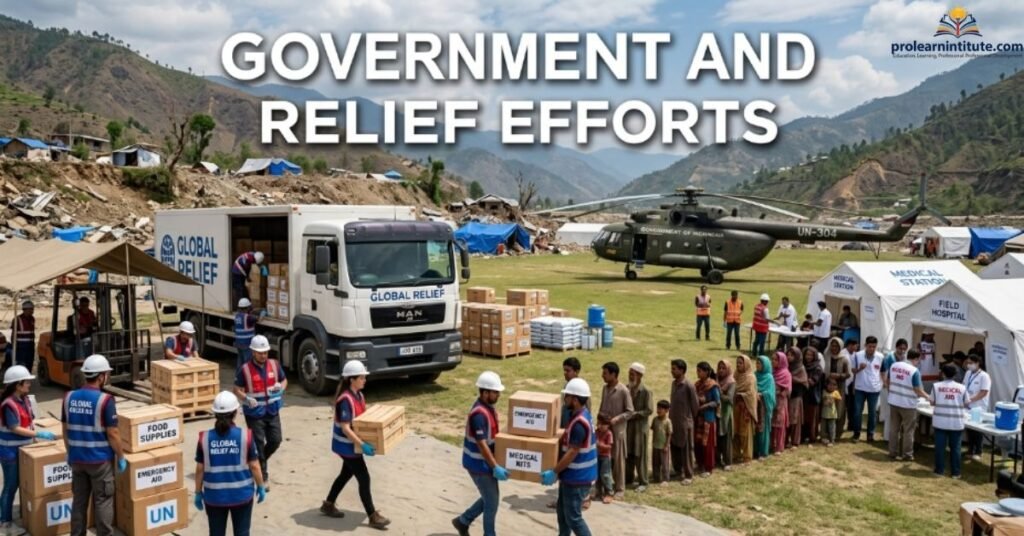
Emergency rescue operations begin immediately when flood warnings are issued across Bangladesh. Trained teams work quickly to save lives in affected areas.
- Rescue boats are deployed to flooded villages
- Army and Coast Guard assist in evacuation efforts
- Helicopters are used to reach isolated communities
- Emergency hotlines help coordinate rescue missions
- Local volunteers often lead first-response efforts in remote areas
Relief camps and food supply systems are set up to support displaced families during flood emergencies. These camps provide necessities to survivors.
- Temporary shelters are built on higher ground
- Food packets and clean water are distributed daily
- Medical camps treat injuries and waterborne illness
- Volunteers help manage camp operations efficiently
- Special care is given to children, the elderly, and pregnant women
International aid support plays an important role in helping Bangladesh recover from major flood disasters. Many countries and organizations contribute resources.
- UN agencies provide emergency funding and supplies
- NGOs send medical teams and relief workers
- Foreign governments donate food and equipment
- International donations help rebuild damaged infrastructure
- Long-term development loans support flood-resistant construction
Prevention and Flood Control Measures
Embankments and dams are built to protect vulnerable areas from rising floodwaters. These structures help control the flow of major rivers.
- Embankments prevent river water from entering villages
- Dams help regulate water flow during heavy rainfall
- Regular maintenance is needed to keep structures effective
- New embankments are planned in high-risk zones
- Some embankments also support roads and connect remote villages
Improved drainage systems help reduce waterlogging in cities and rural areas during heavy rains. Better infrastructure allows water to flow away faster.
- Wider drainage canals reduce urban flooding.
- Pump stations remove excess water quickly
- Regular cleaning prevents drainage blockages
- New systems are being installed in flood-prone cities
- Rainwater harvesting projects are also being explored in some areas
Flood forecasting and early warning systems give communities valuable time to prepare before disaster strikes. Technology plays a key role in saving lives.
- Satellite data helps predict flood patterns accurately
- Warning messages are sent through radio and mobile alerts
- Communities get time to move to safer locations
- Early warnings reduce loss of life significantly
- Local flood committees help spread warnings in remote villages
Conclusion
At its core, the Flood in Bangladesh Composition highlights the causes, effects, and challenges of floods that frequently impact the country. In simple terms, understanding this topic helps us recognize the importance of disaster preparedness, environmental awareness, and community support.
Now you have a clear understanding of how floods affect people, property, and daily life in Bangladesh. The next step is yours—use this knowledge to stay informed, spread awareness, and appreciate the value of prevention and preparedness.
see also: My Daily Routine Paragraph for classes 5,6,7,8, SSC & HSC
FAQs
How often do floods happen in Bangladesh?
Floods happen almost every year in Bangladesh, mainly during the monsoon season from June to September.
Why is Bangladesh so prone to flooding?
Bangladesh is flood-prone because it sits on a low-lying delta where three major rivers meet and overflow easily.
What are the main rivers that cause floods in Bangladesh?
The Ganges, Brahmaputra, and Meghna rivers are the main rivers responsible for major flooding in Bangladesh.
How do floods affect farmers in Bangladesh?
Floods destroy crops and kill livestock, causing farmers to lose their entire season’s income and food supply.
What diseases spread after floods in Bangladesh?
Waterborne diseases like cholera and diarrhea spread quickly after floods due to contaminated drinking water.
How does the government help during floods in Bangladesh?
The government runs rescue operations, sets up relief camps, and provides food and medical aid to flood victims.
What is being done to prevent floods in Bangladesh?
Bangladesh uses embankments, dams, and improved drainage systems to reduce flood damage in high-risk areas.
How does climate change affect flooding in Bangladesh?
Climate change raises sea levels and causes unpredictable rainfall, making floods more frequent and severe in Bangladesh.
Do early warning systems help reduce flood damage?
Yes, early warning systems give communities time to evacuate, which greatly reduces loss of life during floods.
How do floods impact the environment in Bangladesh?
Floods cause soil erosion, water contamination, and damage to forests, harming both farmland and wildlife habitats.

I’m Jordan Smith, a content writer with 4 years of experience and AI content expertise, creating clear, engaging, and easy-to-understand educational content.