
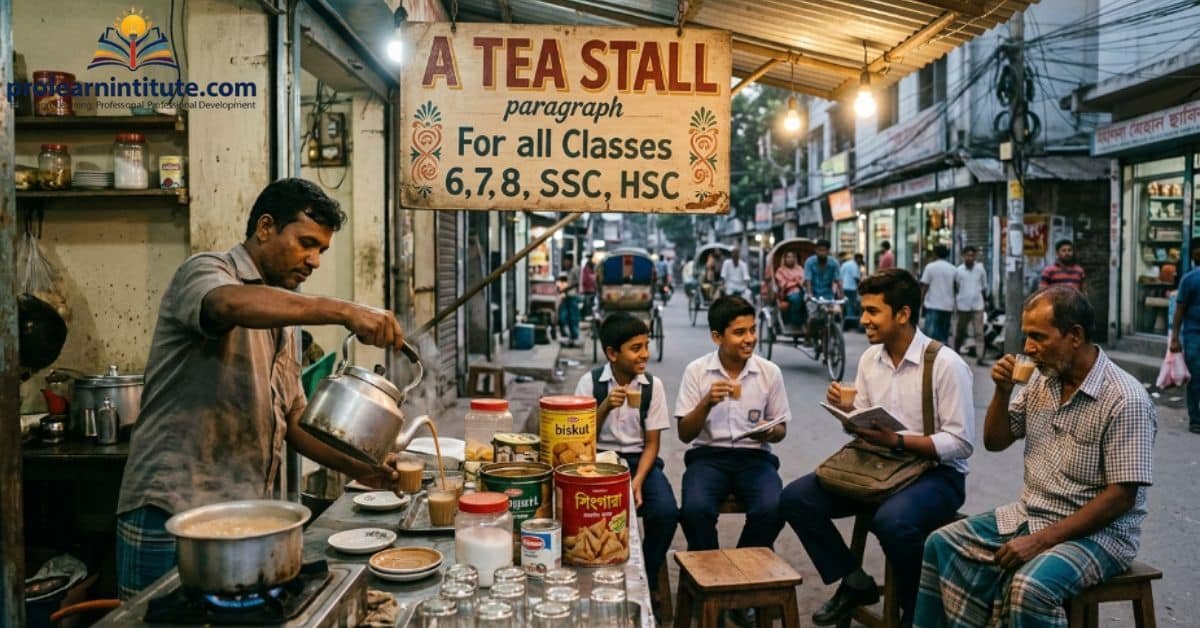
A tea stall is one of the most common and familiar sights in everyday life. It is a small shop where tea and light snacks are served to people at a very low price.
Tea stalls are found almost everywhere in towns, villages, and cities. They are a big part of daily life for millions of people and play an important role in society.
Introduction
A tea stall is a small, simple shop that sells tea, snacks, and light refreshments to people. It is one of the most popular places where people stop for a short break during their busy day.
Tea stalls are found in almost every corner of the country, from busy city streets to quiet village roads. They are affordable, easy to find, and always full of energy and life.
The importance of a tea stall goes beyond just selling tea. It is a place where people from all walks of life come together, talk, relax, and share their thoughts freely.
Location and Setting
Tea stalls are usually found in busy and crowded areas where people pass by frequently. Some of the most common places where tea stalls are set up include:
- Roadsides and highways
- Bus stops and railway stations
- Near schools, colleges, and offices
- Market areas and shopping streets
- Near hospitals and factories
The setting of a tea stall is very simple and basic. It does not require a large space or expensive furniture. Most tea stalls have a small wooden or iron counter, a stove or gas burner, a few benches or plastic chairs, and a tin or concrete roof for shade.
The stall owner, also called the tea seller or “chai wala,” stands behind the counter and prepares tea for the customers. Everything is arranged within a small space, yet the stall manages to serve many customers quickly and efficiently.
Appearance and Arrangement
The appearance of a tea stall is simple but lively. When you look at a tea stall, you will notice several things arranged neatly on the counter and around the stall.
Common items found at a tea stall are:
- A large kettle or pot for boiling tea
- Small tea cups and glasses
- Jars containing biscuits, bread, and snacks
- A container of milk and sugar
- Spoons, a small washbasin, and a waste bin
- Sometimes, a small TV or radio for entertainment
The arrangement of a tea stall may not always be very organized, but the tea seller knows where everything is. Some stalls are kept clean and tidy, while others may look a little messy due to the rush of customers.
The seating arrangement is usually very informal. Customers sit on wooden benches, plastic stools, or even stand near the counter. Despite the simple setup, the atmosphere of a tea stall is always warm and welcoming.
Activities at a Tea Stall

A tea stall is always a busy and active place. There is always something happening at a tea stall, from early morning to late at night.
The main activity at a tea stall is making and serving tea. The tea seller boils milk and water together, adds tea leaves and sugar, and prepares hot cups of tea very quickly. The smell of freshly brewed tea attracts people from nearby areas.
Customers keep coming and going throughout the day. Some stay for a few minutes, while others sit for a long time. The activities that take place at a tea stall include:
- Serving tea, coffee, and snacks
- Customers discussing daily news and events
- Workers taking a short break from their jobs
- Friends meeting and catching up
- People reading newspapers while drinking tea
- Small business deals and conversations are happening casually
One of the most interesting things about a tea stall is the conversations that take place there. People talk about politics, cricket, weather, local gossip, and everything in between. A tea stall is not just a place to drink tea—it is a place where ideas are shared, and opinions are formed.
Types of People Who Visit
A tea stall welcomes everyone, regardless of their age, profession, or social status. It is one of the few places where people from very different backgrounds sit together without any hesitation.
The types of people who commonly visit a tea stall are:
- Daily wage workers and laborers
- Students going to or coming back from school
- Bus and rickshaw drivers are taking a break
- Shopkeepers and small business owners
- Office workers and clerks
- Farmers and villagers visiting the town
- Elderly people who enjoy a quiet cup of tea
- Young people spending time with friends
What makes a tea stall special is that rich and poor sit side by side. A doctor and a street cleaner may drink tea at the same stall without any difference in how they are treated. This makes the tea stall a truly equal and democratic place in society.
People from all social backgrounds feel comfortable at a tea stall. There is no dress code, no reservation, and no entry fee. Anyone can walk in, order a cup of tea, and sit for as long as they like.
Importance of a Tea Stall
The importance of a tea stall in everyday life cannot be ignored. It serves many purposes beyond just selling tea and snacks.
First, a tea stall provides cheap and easy refreshment to people who cannot afford to go to a restaurant or café. For a laborer or a student, a cup of tea at a tea stall is the most affordable way to refresh themselves during the day.
Second, a tea stall acts as a social gathering place. It is where neighbors meet, where workers bond, and where strangers become friends over a shared cup of tea. In many communities, the local tea stall is like a community center where people come to talk and connect.
Third, a tea stall helps people relax and take a mental break from their work. A short visit to a tea stall can reduce stress, lift the mood, and give people the energy to continue their day.
| Importance | Description |
| Cheap Refreshment | Tea is very affordable for everyone |
| Social Hub | People meet and talk freely |
| Mental Break | Helps people relax during work |
| Employment | Gives income to the tea stall owner |
| Cultural Role | Part of daily life and tradition |
Advantages of a Tea Stall
Tea stalls have many advantages that make them an important part of daily life. These advantages explain why tea stalls are so popular and can be found almost everywhere.
- Tea is very affordable, and almost anyone can buy a cup without spending much money.
- Tea stalls are easy to find because they are located in busy areas and near transport points.
- Service is always quick because tea can be prepared within a few minutes
- A tea stall provides a friendly and relaxed environment where people feel comfortable
- It helps the tea stall owner earn a living and supports their family
- It keeps workers energetic by providing a refreshing break during long working hours
- Tea stalls also sell snacks like biscuits and bread that serve as a quick meal for busy people
- They are open early in the morning and often stay open late at night, making them very convenient
Tea stalls also play an economic role in society. They employ the stall owner, helpers, and sometimes suppliers of tea leaves, milk, and snacks. Even a small tea stall contributes to the local economy in its own way.
Disadvantages of a Tea Stall
Although tea stalls have many benefits, they also have some disadvantages that should be noticed and addressed.
- Some tea stalls are not kept clean and hygienic, which can cause health problems
- The cups and glasses used at roadside tea stalls may not be properly washed
- Tea stalls near roads can be dusty and polluted, affecting the quality of food and drinks
- They can become very noisy and crowded, especially during busy hours
- Some people spend too much time at tea stalls, which reduces their productivity
- Sitting on hard benches for a long time is not comfortable
- At some stalls, the quality of tea and ingredients is not always good
- Roadside tea stalls may not have proper waste disposal, causing littering and pollution
| Disadvantage | Effect |
| Unhygienic conditions | Health risks for customers |
| Noisy environment | Not suitable for long stays |
| Low-quality ingredients | Bad taste and health concerns |
| Poor seating | Physical discomfort |
| Littering | Environmental pollution |
Despite these disadvantages, most people still love visiting tea stalls. With a little more attention to cleanliness and hygiene, tea stalls can become even better places for everyone.
Personal Experience (Optional for Higher Classes)
Almost everyone has visited a tea stall at least once in their life. A personal visit to a tea stall can be a very interesting and memorable experience.
When you walk into a tea stall for the first time, the first thing you notice is the smell of hot tea and the sound of people talking. The whole atmosphere feels lively, warm, and full of energy. You can see people from different backgrounds sitting together, laughing and discussing all kinds of topics.
During a visit to a local tea stall, one can observe how people interact with each other in a very natural and informal way. Workers talk about their jobs, students discuss their studies, and older men share stories from their past. It is a simple but very human experience.
The interaction with the tea stall owner is also memorable. They are usually friendly, hardworking, and always ready to serve with a smile. They remember their regular customers and sometimes know their preferences without even asking.
Visiting a tea stall teaches a very important lesson about equality and community. At a tea stall, there are no social barriers. Everyone is treated the same, and everyone shares the same simple pleasure of a warm cup of tea.
Paragraph Variations by Class Level
This section provides ready-made paragraphs on a tea stall for students of different class levels. Each paragraph is written according to the language level and word count suitable for that class.
Class 5
A tea stall is a small shop where tea is sold. It is usually found near roads, markets, and bus stops. The tea seller makes tea on a stove and serves it in small cups. Many people visit a tea stall every day to drink tea and eat biscuits. Workers, students, and shopkeepers all come to the tea stall. It is a simple and cheap place where people can relax for a while. A tea stall is an important part of daily life.
Class 6
A tea stall is a small and simple shop where tea, biscuits, and snacks are sold at a low price. It is found near roadsides, markets, schools, and bus stops. The tea seller stands behind a counter and prepares hot tea on a stove. People from different backgrounds visit the tea stall, including workers, drivers, students, and shopkeepers. They sit on benches and drink tea while talking to each other. A tea stall is not just a place to drink tea. It is also a place where people meet, share news, and take a short break from their busy lives.
Class 7
A tea stall is a small roadside shop where tea and light snacks are sold at a very affordable price. It is one of the most common places found in every town and village. The setup of a tea stall is very simple — a small counter, a stove, a few benches, and some jars of biscuits and snacks. The tea seller works hard to serve customers quickly and with a smile. People of all kinds visit a tea stall, from daily wage workers to students and elderly people. The atmosphere at a tea stall is always lively and full of conversation. People talk about sports, politics, and daily life over a warm cup of tea. A tea stall is a small but very important part of society where everyone feels welcome and equal.
Class 8
A tea stall is a small, humble shop that plays a very big role in everyday life. It is found near busy roads, markets, bus stops, schools, and workplaces. The physical setup of a tea stall is simple — a wooden counter, a gas stove, a large kettle, and a few benches for customers to sit on. The tea seller prepares and serves tea quickly to keep up with the constant flow of customers. People from all walks of life visit a tea stall, including workers, students, drivers, and shopkeepers. It is a place where social differences disappear, and everyone is treated equally. A tea stall is not just a place for refreshment—it is also a social gathering spot where people share ideas, discuss the news, and enjoy a moment of relaxation. Despite being a simple place, a tea stall holds great importance in the daily routine of millions of people.
SSC (Secondary School Certificate)
A tea stall is a small roadside establishment that serves tea, coffee, and light snacks to people at a very low cost. It is commonly found near bus stops, railway stations, markets, schools, offices, and residential areas. The setup of a tea stall is simple and practical — a small counter, a gas burner or stove, a large kettle, rows of cups and glasses, and a few jars containing biscuits and snacks. Benches and plastic stools are arranged for the convenience of customers. The tea seller, often called a “chai wala,” is usually a hardworking person who serves customers from early morning until late at night.
A tea stall attracts people from all social classes. Workers, students, businessmen, and elderly people all share the same benches and drink tea together. This makes a tea stall a symbol of equality in society. Conversations at a tea stall range from local gossip to serious political discussions. While a tea stall has many advantages, such as affordability, quick service, and social value, it also has some drawbacks, like poor hygiene, noise, and crowding. Overall, a tea stall is a deeply rooted part of our culture and daily life that deserves appreciation and improvement.
HSC (Higher Secondary Certificate)
A tea stall, in its most fundamental form, is a small commercial establishment that offers tea and simple refreshments at an affordable price. However, to describe it merely as a shop would be to overlook its deeper significance in the social and cultural fabric of everyday life. Found at almost every street corner, bus stop, railway station, market, and workplace, the tea stall is a universal institution that transcends class, profession, and age.
The physical appearance of a tea stall is modest at best. A small counter, a gas stove or clay oven, a large pot of boiling tea, rows of used cups and glasses, jars of biscuits, and a few wooden benches make up its entire setup. Yet, within this humble space, something remarkable takes place daily. People who would never otherwise interact—a laborer and a lawyer, a student and a shopkeeper, a young man and an old farmer—sit side by side and share a cup of tea without any barriers of class or status.
The tea stall is also a space for intellectual and social exchange. Political debates, cricket discussions, neighborhood gossip, and philosophical conversations all find a place at the tea stall. In many ways, it functions as an informal parliament of the common people, where opinions are formed and voices are heard. The tea seller, often underestimated, plays the role of a quiet host who listens to everything and judges no one.
Despite its many advantages—affordability, accessibility, quick service, and social bonding—the tea stall also has shortcomings that need attention. Hygiene is often a concern, as roadside stalls may not maintain proper sanitation. The environment can become noisy and uncomfortable during peak hours. Nevertheless, the tea stall remains an irreplaceable part of daily life, a small but powerful symbol of community, equality, and human connection.
Conclusion
A tea stall is much more than a place to drink tea. It is a small but powerful symbol of equality, community, and the simple joys of everyday life. From a tired worker to a curious student, everyone finds comfort at a tea stall.
Whether you are looking for a quick refreshment or a friendly conversation, a tea stall is always ready to welcome you. It may be small in size, but its importance in our society and culture is truly very large.
Frequently Asked Questions
1. What is a tea stall paragraph, and why do students from Class 5 to HSC need to write it?
A tea stall paragraph is a short descriptive composition about a small roadside shop that sells tea and snacks. It is a common essay topic assigned across all classes from Grade 5 to HSC because it builds descriptive writing and vocabulary skills.
2. How do I write a simple tea stall paragraph for Class 5 in easy English?
For Class 5, write 5–6 simple sentences describing the location, the shopkeeper, the items sold, and the customers. Use easy words like “small shop,” “hot tea,” and “busy place” to keep it age-appropriate and clear.
3. What are the key points to include in a tea stall paragraph for Class 6 and Class 7?
A tea stall paragraph for Class 6–7 should include the shop’s location, its appearance, the variety of snacks and beverages served, the types of customers who visit, and the daily routine of the tea stall owner.
4. How is a tea stall paragraph for SSC students different from one written for Class 8?
An SSC-level tea stall paragraph is longer, uses more advanced vocabulary, and includes social and economic observations—such as the stall’s role in the community—while a Class 8 paragraph focuses mainly on basic description and simple sentences.
5. What should I write about the tea stall owner in my paragraph to make it more interesting?
Describe the tea stall owner’s daily routine, their hard work, humble lifestyle, and friendly attitude toward customers. Mentioning how they wake up early, prepare tea, and serve people with a smile adds a human touch that makes your paragraph more vivid and engaging.
6. Can you give me a short tea stall paragraph for Class 9 and Class 10 students in Bangladesh?
A tea stall is a familiar sight in every town and village of Bangladesh. It is usually a small, humble shop by the roadside where people gather to drink tea, eat snacks like biscuits or puffed rice, and chat. The stall owner works from early morning till late at night, serving students, laborers, and office workers alike.
7. How long should a tea stall paragraph be for HSC-level students?
For the HSC level, a tea stall paragraph should ideally be 150 to 200 words, written in fluent English with complex sentences, descriptive language, and a concluding remark about the social significance of tea stalls in everyday Bangladeshi life.
8. What are some good vocabulary words I can use in my tea stall paragraph to impress my teacher?
Use words like rustic, bustling, aromatic, humble abode, refreshment, congregation, livelihood, vicinity, patron, and ambiance to elevate the quality of your tea stall paragraph and make it stand out at any class level from 8 to HSC.
9. Why is the tea stall considered an important part of social life in a tea stall paragraph?
A tea stall serves as an informal gathering place where people from all walks of life meet, share news, and relax. In a paragraph, this social role highlights the stall’s cultural importance, making your composition more meaningful and reflective beyond just a physical description.
10. How can I memorize a tea stall paragraph quickly before my exam for any class?
Break the paragraph into three parts—introduction (location and appearance), body (items sold, customers, and the owner), and conclusion (importance or social value). Memorizing it in these three chunks using bullet-point notes makes recall faster and more reliable during exams.

I’m Jordan Smith, a content writer with 4 years of experience and AI content expertise, creating clear, engaging, and easy-to-understand educational content.