

The Dowry System Paragraph helps students understand one of the most important social issues in simple words. It explains what the dowry system is, why it exists, and how it affects families and society.
Even today, many people suffer because of this harmful practice. Learning about it encourages students to think about equality, respect, and the importance of making fair choices.
In this Dowry System Paragraph, you will learn about its causes, effects, and possible solutions in easy language. This will help you prepare for school exams while also understanding why ending the dowry system is important.
see also: Grasp All Lose All Completing Story for Class 6,7,8,SSC & HSC with Moral
What Is the Dowry System?
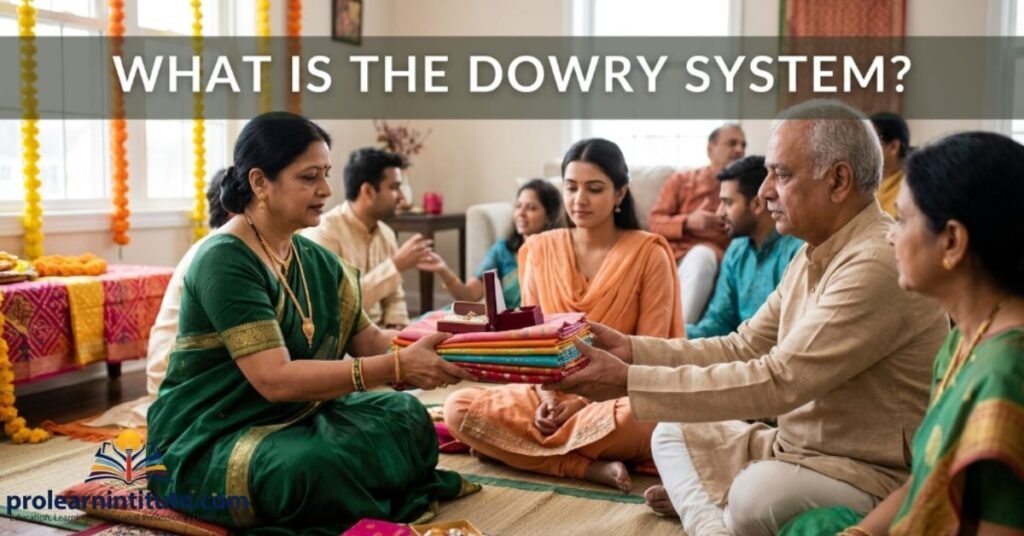
The dowry system is a tradition where the bride’s family gives money, gold, furniture, or other valuable items to the groom’s family. This exchange usually happens before or during the wedding ceremony. It is practiced in many parts of South Asia, especially in rural areas.
Originally, dowry was meant as a gift of love and support for the newlywed couple. Sadly, it has now become a demand rather than a choice, causing financial and emotional stress on families.
Historical Background of the Dowry System
The dowry system has existed in South Asian societies for many centuries, originally intended as a way for parents to give their daughters financial security in their new home. In earlier times, it was seen as a voluntary gesture of love rather than an obligation.
Over generations, social pressures and greed gradually transformed this gesture into a strict expectation. Families began comparing dowry amounts, turning what was once a kind gift into a symbol of status and competition between families.
Colonial-era records and old cultural texts show that dowry practices varied widely across regions and communities. However, as urbanization and materialism increased in modern times, dowry demands grew larger and more rigid, making the tradition far more harmful than its original intent.
Dowry System Paragraph for Classes 6, 7
The dowry system means giving cash, jewelry, or household items to the groom’s side during marriage. It started as a voluntary gift from parents to their daughters, but slowly turned into a forced demand. Many families suffer financially because of this unfair practice.
Poor families often take loans or sell their land just to arrange dowries for their daughters. This creates stress, debt, and sometimes even family conflicts. Girls are seen as a financial burden instead of being valued equally in society.
Young students should understand that this old custom is not fair to women. It teaches us that marriages should be based on love and respect, not on money or gifts. We should support our sisters and friends by speaking against this harmful tradition whenever we can.
Even small actions, like discussing this topic in class or asking elders why dowry is given, can help children understand the issue better. Awareness at a young age builds a foundation for fairer thinking in the future.
Dowry System Paragraph for Class 8
Dowry is an old custom where the bride’s family pays money or gifts to the groom’s family before marriage. Over time, greedy people turned this simple tradition into a business demand. This has caused many social problems in villages and cities alike.
Many marriages get delayed or cancelled because families cannot afford the dowry amount. Some girls face harassment or violence from in-laws if the dowry is not enough. This tradition needs to end for a fair and just society.
At this stage, students should also understand that dowry affects not just individual families but the whole community’s mindset toward women. When people continue this practice without questioning it, they unknowingly support inequality. Learning to challenge such harmful customs is an important part of becoming a responsible citizen.
Class 8 students can also observe how dowry is sometimes disguised as “gifts” or “wedding expenses,” even when families claim they do not support the tradition. Recognizing these hidden forms of dowry helps in understanding how deeply rooted this problem really is.
Dowry System Paragraph for SSC

The dowry system is the practice of giving wealth, property, or valuable items to the groom’s family at the time of the marriage. It is common in many parts of Pakistan, India, and Bangladesh. This tradition puts extra pressure on parents who already work hard to raise their daughters.
Girls sometimes remain unmarried for years because their families cannot collect enough dowry. This shows how a small custom has become a big social evil. Everyone must work together to remove this practice from society.
SSC students should understand that this issue is deeply connected to gender inequality and weak law enforcement. Although anti-dowry laws exist in many countries, they are rarely enforced strictly due to social pressure and lack of awareness. Real change requires not just laws, but a shift in how society values daughters compared to sons.
It is also important for SSC students to recognize that dowry-related problems often intersect with other social issues, such as early marriage and limited access to education for girls. Addressing dowry, therefore, requires a broader approach that also improves women’s opportunities in education and employment.
Dowry System Paragraph for HSC
The dowry system represents one of the most persistent social evils in South Asian society, rooted deeply in centuries-old customs and reinforced by economic and cultural pressures. Although originally intended as a voluntary expression of parental affection, it has since evolved into an exploitative demand that disproportionately burdens families of modest means.
The consequences of this practice extend far beyond financial strain, often manifesting in domestic abuse, psychological trauma, and, in extreme cases, dowry-related deaths. Such outcomes highlight the urgent need for structural reform, encompassing stricter legal enforcement, comprehensive public education, and a fundamental shift in societal attitudes toward gender equality.
At the HSC level, students should critically analyze how economic disparity, patriarchal traditions, and inadequate implementation of protective legislation intersect to sustain this practice. Addressing the dowry system effectively demands coordinated efforts from lawmakers, educators, and community leaders alike, working together to redefine marriage as a union based on mutual respect rather than material transaction.
HSC students preparing for higher education should also consider the economic dimension of this issue: dowry often diverts family savings away from productive investments such as education or small business ventures, further entrenching poverty across generations. Understanding this broader economic impact strengthens critical thinking on the topic for essays, debates, and analytical writing.
Causes of the Dowry System
There are several reasons why the dowry system still continues in society today.
- Lack of education and awareness among people
- Old cultural beliefs passed down from generation to generation
- Greed for money and material wealth
- Gender inequality and low value given to daughters
- Social pressure and fear of what relatives will say
- Weak implementation of anti-dowry laws
- Desire to maintain social status through lavish weddings
- Economic insecurity is pushing families to see marriage as a financial exchange
These causes together make it hard to remove dowry completely from society.
Harmful Effects of the Dowry System
The dowry system creates many harmful effects on families and society.
| Effect | Impact |
| Financial burden | Families take loans or sell property |
| Domestic violence | Harassment of newly married women |
| Dowry-related deaths | Serious cases linked to unpaid demands |
| Gender discrimination | Daughters seen as a burden, not a blessing |
| Delayed marriages | Lack of money postpones weddings for years |
| Rising poverty | Struggling households sink further into debt |
| Broken families | Disputes over dowry often end in divorce or separation |
These effects show why dowry is considered a serious social problem.
Impact of the Dowry System on Women’s Mental Health
Beyond financial and physical harm, the dowry system also takes a heavy toll on women’s mental well-being. Many brides live under constant fear of harassment or rejection if their families cannot meet dowry demands.
This ongoing stress can lead to anxiety, depression, and a loss of self-worth among young women. Recognizing this hidden emotional damage is important for building a more compassionate and aware society.
Women who face dowry-related mistreatment often feel isolated, as social stigma discourages them from speaking openly about their experiences. This silence allows the cycle of abuse to continue, making awareness and open dialogue essential tools for change.
Impact of the Dowry System on Sons and Families of Grooms
While the dowry system is often discussed in terms of its impact on brides, it also creates pressure on the groom’s side of the family. Some families feel obligated to demand dowry due to social expectations, even when they personally disagree with the practice.
This pressure can create tension within families, especially when relatives expect a certain dowry amount to maintain social standing. Recognizing this dynamic shows that dowry harms not just individual women but the broader family structure on both sides.
How to Stop the Dowry System
Ending the dowry system requires effort from individuals, families, and the government together.
- Strict enforcement of anti-dowry laws
- Awareness campaigns in schools and communities
- Encouraging simple and low-cost weddings
- Promoting equal rights and respect for daughters
- Parents refusing to give or take dowry
- Media play a positive role in changing mindsets
- Involving religious and community leaders in awareness efforts
- Supporting women’s education and financial independence
Small steps taken by every family can bring a big change over time.
Importance of Ending the Dowry System
Ending the dowry system is important for building a fair and equal society. When families stop demanding dowry, daughters are seen as equal members of the family rather than a burden. This change can reduce financial stress and family conflicts.
A society free from dowry allows women to marry with dignity and respect. It also encourages young people to focus on love, understanding, and compatibility instead of money and gifts.
Role of Society and Education in Ending Dowry
Society and education play a major role in removing the dowry system from our culture. Schools and colleges should teach students about gender equality and the harmful effects of dowry from an early age.
Community leaders, religious scholars, and the media can also spread awareness about this issue. When people are educated about equal rights, they naturally reject harmful traditions like dowry.
Role of Government and Law in Preventing Dowry
Government policies and strict legal action play a crucial role in reducing the dowry system. Laws banning dowry already exist in several countries, but weak enforcement allows the practice to continue unchecked.
Stronger monitoring, quick legal action against violators, and support systems for affected women can make these laws more effective. Government-backed awareness programs can also help change public attitudes over time.
Role of Media in Changing Public Attitudes Toward Dowry
Television, social media, and news outlets have significant influence over public opinion and can play a powerful role in reducing dowry practices. Dramas, documentaries, and awareness campaigns that highlight the negative effects of dowry can shift how society views this tradition.
When the media consistently portrays dowry-free marriages in a positive light, it helps normalize the idea that a wedding does not require material exchange to be respectable. This kind of cultural shift, supported by consistent messaging, can gradually reduce social pressure surrounding dowry expectations.
How Students Can Contribute to Ending the Dowry System
Students, as the future generation, have an important role to play in changing social attitudes toward dowry. Simple actions taken during school years can create long-lasting change in mindset.
- Discussing the harmful effects of dowry in class debates and essays
- Encouraging family members to reject dowry demands
- Supporting equal opportunities for sisters and female classmates
- Speaking up against the unfair treatment of women in the community
- Choosing, in the future, to marry without giving or accepting a dowry
These small but meaningful actions, when practiced by many students, can gradually change society’s approach to marriage and family values.
Conclusion
In simple terms, this Dowry System Paragraph explains why the dowry system is a harmful social practice and why it should be stopped. Understanding its causes and effects helps students build awareness and support fairness and respect in society.
Now you have a clear understanding of this important topic and why it still matters today. The next step is yours—use this knowledge to promote equality, reject harmful traditions, and make positive choices in everyday life.
see also: Physical Exercise Composition for Classes 6,7,8, SSC & HSC
Frequently Asked Questions
What is the dowry system in simple words?
The dowry system is when the bride’s family gives money, gifts, or property to the groom’s family during marriage. It started as a gift but became a forced social demand over time.
Why is the dowry system considered bad?
The dowry system is considered bad because it creates financial burden, family stress, and sometimes violence against women. It also promotes gender inequality by treating daughters as a burden.
What are the main causes of the dowry system?
The main causes include lack of education, old cultural beliefs, greed for wealth, and gender inequality. Weak law enforcement also allows this practice to continue.
How does dowry affect poor families?
Dowry forces poor families to take loans or sell property to arrange money for their daughter’s marriage. This leads to long-term debt and financial hardship.
Can education help stop the dowry system?
Yes, education helps people understand gender equality and reject harmful traditions like dowry. Schools play a key role in changing mindsets from a young age.
What laws exist against the dowry system?
Many South Asian countries have anti-dowry laws that ban giving or demanding dowry during marriage. However, weak implementation makes these laws less effective in practice.
How does the dowry system affect women’s rights?
The dowry system reduces women’s value to money and gifts instead of respecting them as equal individuals. It can also lead to harassment or violence in marriages.
What can parents do to stop the dowry system?
Parents can refuse to give or accept dowry and instead focus on raising children with equal respect. Choosing simple, low-cost weddings also helps reduce this pressure.
Is the dowry system only practiced in Pakistan and India?
No, the dowry system is common across many South Asian countries, including Bangladesh and Nepal. It exists mainly due to shared cultural traditions in the region.
What is the long-term solution to end dowry?
The long-term solution includes strict law enforcement, community awareness, and quality education for both boys and girls. Changing the social mindset is key to ending this tradition permanently.

I’m Jordan Smith, a content writer with 4 years of experience and AI content expertise, creating clear, engaging, and easy-to-understand educational content.